
- Home
- Products
- Solutions
- About
- Service
- Sustainability
- News
- Contact Us

Views: 0 Author: Site Editor Publish Time: 2026-01-13 Origin: Site


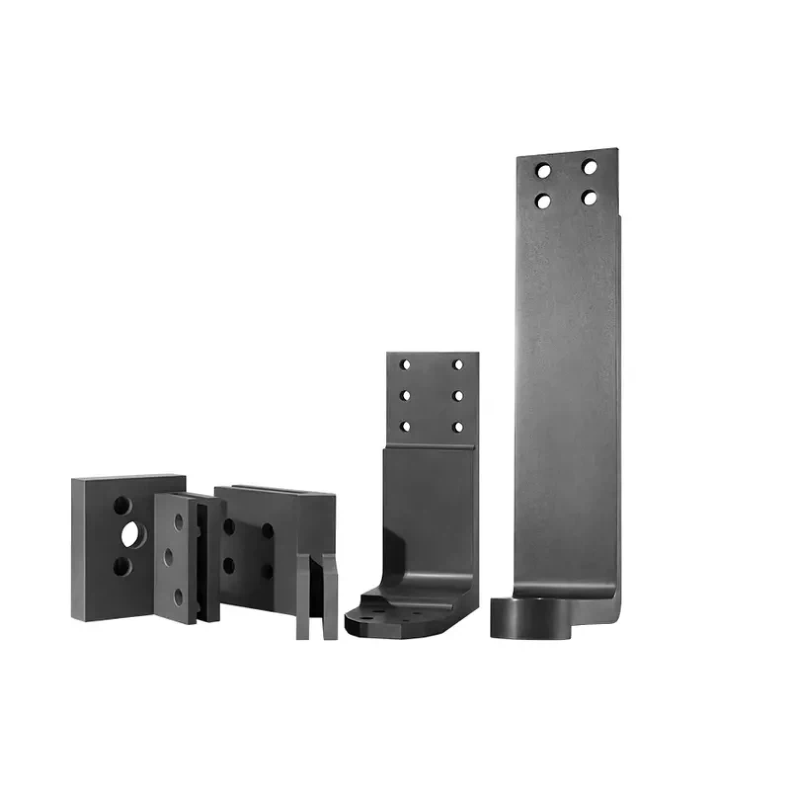
CNC machining of graphite parts has become an essential process in industries where precision and high performance are crucial. At SIAMC Advanced Materials Co., Ltd., we specialize in the production of high-quality CNC machined graphite parts for various applications, from the aerospace and automotive industries to semiconductor manufacturing. These parts are known for their excellent thermal conductivity, electrical conductivity, and self-lubricating properties. In this article, we’ll focus on the CNC machining process, provide best practices, and share performance tips to help you optimize the production of graphite components for your specific needs.
CNC machining is a process that uses computer-controlled machines to precisely cut, shape, and drill materials. In the case of graphite, CNC machining is especially important because the material’s delicate nature requires precision and the right techniques to avoid fractures or uneven finishes. Graphite is highly versatile, but it also presents challenges in terms of its brittle properties. CNC machining enables companies to produce intricate graphite parts with tight tolerances, which is essential in applications where accuracy is critical.
The CNC process for graphite involves several key stages:
CAD Design: The process begins with a Computer-Aided Design (CAD) file, which outlines the exact dimensions and specifications of the part.
CAM Programming: The CAD file is then converted into a Computer-Aided Manufacturing (CAM) program, which provides the machine with specific instructions for cutting and shaping the graphite.
CNC Machining: Using CNC milling, turning, or drilling, the graphite is precisely shaped according to the CAM instructions. This process ensures high accuracy and repeatability in the production of complex graphite components.
Proper setup is crucial when machining graphite. One of the first steps in the process is securing the graphite material with the correct fixtures. Due to graphite’s brittle and soft nature, proper clamping and fixation are needed to prevent breakage during machining.
The choice of fixture is critical, and it should be designed to hold the graphite securely without causing damage or distortion. Additionally, the setup should minimize movement, ensuring that the part stays in place throughout the machining process. The importance of material fixation cannot be overstated, as improper setup can lead to part defects or compromised surface finish.
Given that graphite is fragile, it’s essential to implement specific strategies to prevent cracking. Controlling feed rates and machining speeds helps reduce stress on the material, preventing sudden fractures. A careful balance between the cutting parameters and the material properties ensures smooth operation and optimal part quality.
Selecting the appropriate cutting tools for machining graphite is one of the most important considerations for achieving the best results. Graphite is abrasive and can wear down tools quickly, so choosing durable and high-quality cutting tools is crucial. Recommended tool types include:
Diamond-coated tools: These tools are highly effective at cutting graphite due to their hardness and wear resistance. Diamond coatings also help reduce tool wear and maintain sharp edges over extended periods.
Polycrystalline diamond (PCD): PCD tools are known for their durability and ability to withstand the abrasive nature of graphite, making them an excellent choice for high-precision machining.
Carbide tools: Carbide tools are commonly used for graphite machining due to their hardness and longevity. They are ideal for achieving smooth finishes and intricate designs.
Graphite’s unique characteristics require careful optimization of machining parameters such as feed rates, spindle speeds, and chip loads. Because graphite is a soft material, it is prone to generating large amounts of dust during the machining process, which can interfere with the accuracy of the cut and reduce tool life.
To achieve optimal results, it's important to:
Maintain lower feed rates and cutting speeds to avoid excessive friction and heat buildup, which can degrade both the tool and the material.
Ensure proper chip load, which prevents the formation of large chips that could cause damage to both the part and the tooling.
By controlling these parameters, machinists can reduce the risk of fractures, improve surface finishes, and enhance overall machining performance.
When machining graphite, managing the heat generated and controlling dust is a critical factor. There are two primary approaches to machining graphite: dry and wet processing.
Dry Machining: This method involves machining without coolant. While it avoids the mess and complexity of using liquid coolants, it often results in higher levels of dust and heat, which can be detrimental to both the operator and the machine. Dust control systems, such as vacuum collection systems, are necessary to keep the workspace clean and safe.
Wet Machining: Wet machining uses coolants to reduce the temperature during the cutting process. While this technique helps manage heat and minimize dust, it also requires additional setup and maintenance to prevent contamination of the graphite and the work area.
The decision to use dry or wet machining largely depends on the specific machining requirements and the application of the graphite parts. Both methods have their pros and cons, so it's important to assess the needs of the job before deciding on the best approach.
As mentioned, graphite is abrasive, and proper tool management is essential to minimize wear and ensure consistent quality. Tools used in machining graphite must be capable of withstanding high wear rates while maintaining sharpness. Regular tool inspections and proper maintenance schedules can extend tool life and prevent unexpected failures.
One solution to combat tool wear is the use of diamond-coated tools, which provide enhanced durability compared to standard carbide tools. Additionally, using lower cutting speeds and feed rates helps prevent premature wear and reduces tool costs over time.
Graphite dust is a byproduct of machining, and it can cause several issues if not properly controlled. Excess dust can damage machinery, create safety hazards, and negatively impact the surface finish of the parts.
To mitigate these issues, it is essential to use effective dust collection systems, such as industrial-grade vacuums, that capture graphite particles as they are produced. Furthermore, ensuring that the workspace is well-ventilated helps maintain a clean and safe environment.
Achieving the desired surface finish and maintaining dimensional accuracy are key challenges when machining graphite. The material's soft and brittle nature can result in rough surfaces or dimensional deviations if not carefully managed.
To achieve the best results, ensure proper tool selection and cutting parameters that minimize the generation of burrs or rough edges. Post-processing steps, such as polishing or sanding, can also be used to improve the surface finish after machining.
CNC machining offers several benefits, particularly when automated systems are used. Automation increases repeatability and consistency in the production process, which is essential for large-scale manufacturing runs. Automated systems can also significantly reduce setup time and minimize human error, ultimately improving overall productivity.
Additionally, automation allows for the production of high-precision parts with minimal downtime, which can lead to cost savings in the long run.
While quality is paramount, managing costs is always a concern for manufacturers. To strike a balance, it’s important to optimize machining parameters for efficiency while maintaining high-quality standards. Choosing high-quality tools, using optimal feed rates and speeds, and employing automation can all help to reduce overall costs without sacrificing performance.
After machining, additional processes such as polishing or coating can enhance the performance of graphite parts. For example, applying a protective coating can increase wear resistance and prolong the life of the part. Investing in post-processing techniques adds value to the final product and improves customer satisfaction.
To ensure that CNC machined graphite parts meet required specifications, it's essential to conduct thorough quality checks. Common inspection methods include:
Dimensional measurement: Using tools like micrometers or 3D scanners to ensure parts meet the required dimensions.
Surface finish inspection: Checking for any roughness or imperfections in the surface finish.
Functional testing: Verifying that the part performs correctly under its intended operating conditions.
Modern inspection equipment can help achieve the required precision and ensure that every part meets quality standards.
CNC machining of graphite parts offers a range of benefits, including precision, repeatability, and the ability to handle complex geometries. By understanding the essential machining techniques, tooling options, and optimization strategies, manufacturers can produce high-quality CNC machined graphite parts that meet the demands of their industries. At SIAMC Advanced Materials Co., Ltd., we specialize in delivering high-performance graphite solutions tailored to your needs. Whether you’re in need of custom machining or specific application components, we are here to support your project.
For more information or to discuss your requirements, contact us today.
1. What industries use CNC machined graphite parts?
CNC machined graphite parts are used in a variety of industries, including aerospace, automotive, electronics, and semiconductor manufacturing, due to their high conductivity and durability.
2. How does CNC machining work with graphite?
CNC machining uses computer-controlled equipment to precisely shape graphite material according to a pre-programmed design, ensuring accuracy and repeatability.
3. What are the benefits of using diamond-coated tools for graphite machining?
Diamond-coated tools provide enhanced wear resistance and durability, helping to reduce tool wear and improve the overall machining process for graphite.
4. Why is dust control important in graphite CNC machining?
Graphite dust can cause equipment damage, safety hazards, and poor surface finishes. Effective dust control systems ensure a cleaner environment and better-quality parts.


