
- Home
- Products
- Solutions
- About
- Service
- Sustainability
- News
- Contact Us

Views: 0 Author: Site Editor Publish Time: 2026-01-28 Origin: Site


Can a cleaner bond protect your entire process? High purity graphite glue helps reduce contamination in extreme heat systems.With SIAMC products, you will learn how the right adhesive supports purity, stability, and long-term performance. Learn more about our products.
High temperatures break down many common adhesives over time. Organic binders can decompose and release volatile compounds into the furnace atmosphere, where they circulate and settle on sensitive surfaces. Mechanical fasteners may shed fine metal dust as they expand and contract during repeated thermal cycles. Even low-grade graphite parts can flake when oxidation or mechanical stress weakens their structure. Together, these sources create a constant risk of airborne particles and vapors that can settle on products, sensors, and internal furnace components.
In semiconductor systems, parts-per-million levels of contamination can change electrical behavior in wafers and reduce device performance. In metal casting, foreign particles can weaken surface finish, create pits, or introduce hidden defects. Over time, these small losses add up, lowering overall yield and increasing production costs. Clean bonding materials help maintain consistent quality across batches and support more predictable output.
Contamination does not only affect products. It also builds up inside furnaces and chambers. Residue can block gas flow paths, coat heating elements, and interfere with temperature sensors or control probes. These changes lead to unstable process control, uneven heating, and more frequent maintenance cycles that interrupt production.
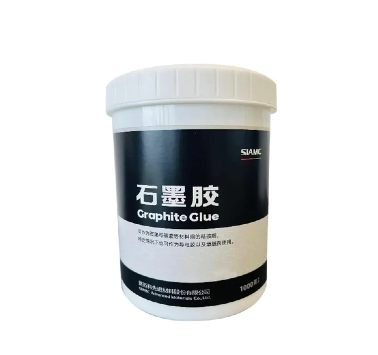
High purity graphite glue often contains more than 99 percent carbon. This high level of purity reduces metallic elements such as iron, aluminum, and silicon. These metals can act as catalysts for oxidation or unwanted chemical reactions at high temperatures. By limiting them, the adhesive layer stays more inert and stable, even in long production runs.
Unlike polymer-based adhesives, graphite glue uses carbon-based binder systems. These binders resist thermal breakdown and maintain their structure under extreme heat. As a result, they release far fewer vapors during operation. This low-outgassing behavior supports clean operation in vacuum systems and inert gas environments where atmosphere control is critical.
Graphite glue is commonly supplied as a powder that is mixed into a paste before use. This format allows operators to control consistency, viscosity, and application thickness. Proper mixing and controlled application help reduce trapped air and voids, which can otherwise become contamination sources when exposed to high temperatures.
Metal impurities promote oxidation in graphite parts. When oxygen reacts with graphite at high heat, it creates flakes and dust that spread through the system. High purity formulations suppress this process by limiting reactive elements. Fewer metals mean fewer active sites for oxidation, which helps protect both the bond line and nearby components.
Vacuum systems amplify contamination risk because any vapor released becomes part of the processing atmosphere. High purity graphite glue remains stable and releases minimal gas, even during extended heating cycles. This helps maintain consistent pressure, stable gas composition, and cleaner internal surfaces inside chambers.
Many high-temperature systems use hydrogen, nitrogen, or argon as processing gases. Some also involve acidic or alkaline environments. Graphite glue resists these chemicals and does not form reactive byproducts. This chemical inertness helps prevent unwanted deposits on products or chamber walls and supports long-term process stability.
Mechanism | Low-Purity Adhesive | High Purity Graphite Glue | Impact on Process Cleanliness |
Metal Impurity Level | Medium to High | Very Low | Reduced oxidation risk |
Outgassing Under Heat | High | Low | Cleaner atmosphere |
Chemical Reactivity | Medium | Very Low | Stable conditions |
Particle Shedding Risk | Medium | Low | Higher product yield |
Materials expand when heated. If an adhesive expands faster than the parts it bonds, cracks can form at the joint. High purity graphite glue has a low coefficient of thermal expansion, allowing it to move in step with graphite and carbon components. This compatibility reduces internal stress, limits surface flaking, and helps maintain a smooth, stable bond line even after long exposure to extreme temperatures.
Repeated heating and cooling cycles weaken many standard adhesives over time. Graphite glue maintains mechanical strength across wide temperature ranges and resists fatigue at the bond interface. Stable joints mean fewer loose fragments and less dust generation, which supports cleaner furnace interiors and more consistent process conditions.
Cracks in furnace linings allow air to enter and disrupt controlled atmospheres. This leads to oxidation, residue buildup, and reduced thermal efficiency. Graphite glue for high temperature processing helps seal small gaps and joints, supporting clean, closed environments that protect both products and internal furnace components.
Clean surfaces are critical for both bond strength and contamination control. Dust, oil, and moisture reduce adhesion and introduce unwanted particles into the system. Using lint-free wipes and controlled cleaning agents helps maintain surface purity, while light roughening increases contact area and improves long-term bond stability.
Consistent mixing produces a uniform paste with predictable flow and curing behavior. A smooth, even layer reduces trapped air and lowers the risk of voids that could release particles during operation. Controlled application thickness also helps maintain reliable electrical and thermal contact across the joint.
Some systems allow room-temperature curing, while others benefit from gradual heating during first use. This conditioning step helps the bond line settle and align with surrounding graphite parts, improving structural stability and reducing the chance of early-stage cracking.
Graphite glue for semiconductor furnaces supports wafer processing where ultra-low contamination is essential. Even minor residue can affect electrical performance and yield. High purity formulations protect gas flow paths and heating zones, helping maintain consistent process control.
Vacuum systems rely on clean, stable seals to maintain pressure balance and gas composition. Graphite glue for vacuum systems helps preserve these conditions, supporting reliable heat treatment, sintering, and brazing results across repeated production cycles.
In casting and metal forming, contamination affects surface finish, dimensional accuracy, and part strength. Clean bonding materials help protect molds, fixtures, and graphite inserts, leading to more repeatable production outcomes and lower scrap rates.
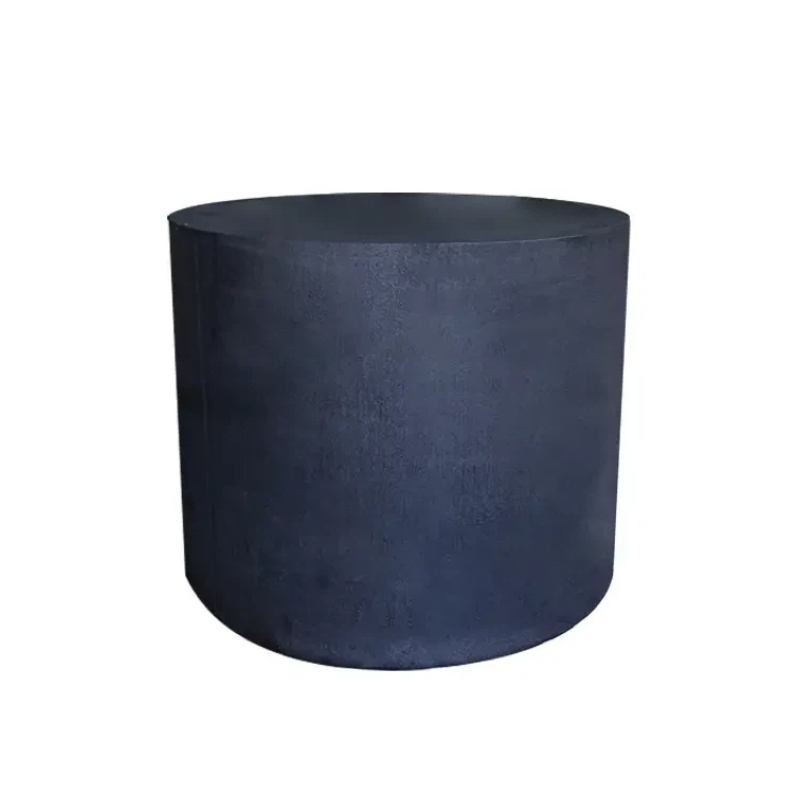
Organic adhesives often decompose at high temperatures. They release vapors and leave residue that can settle on products or furnace walls. Graphite glue remains carbon-based and stable, making it better suited for clean, high-heat environments that demand low outgassing and minimal contamination.
Mechanical fasteners introduce metal into hot zones and expand at different rates than graphite components. Over time, they can loosen, creating stress points and particle generation. Graphite glue forms a continuous bond line that reduces both mechanical stress and contamination risk.
High purity graphite glue may cost more upfront than basic bonding options. However, fewer failures, cleaner operation, and longer component life often reduce total operating cost. Over the full equipment lifecycle, this balance can deliver stronger value through improved reliability and reduced maintenance demands.
Bonding Method | Contamination Risk | Heat Resistance | Maintenance Frequency | Typical Use Case |
Organic Adhesive | High | Low | High | Low-temp bonding |
Mechanical Fastener | Medium | High | Medium | Structural joints |
High Purity Graphite Glue | Low | Very High | Low | Clean hot zones |
Vacuum bake tests measure vapor release under controlled heat and pressure conditions. Chemical exposure tests show how adhesives react to common processing gases and liquids. Together, these methods confirm whether a graphite glue can maintain low contamination levels in clean and high-temperature operations.
Regular inspection of furnace interiors helps reveal early signs of dust, flakes, or residue buildup. Particle counters can track airborne contamination in sensitive production areas. Monitoring trends over time allows teams to address small issues before they affect product quality or system reliability.
Batch records and material data sheets help teams trace performance issues back to specific adhesive lots. This improves accountability and supports continuous process improvement by linking material properties to real operating results.
Different sectors define acceptable impurity limits. Semiconductor lines often demand ultra-low metal content, while foundries may allow slightly higher thresholds. Choosing the right grade helps balance cost, availability, and performance without compromising process cleanliness.
Clear documentation on carbon content, impurity levels, and thermal limits supports confident material selection. Sample trials and test reports allow teams to verify performance before moving into full-scale production.
Consistency becomes critical at scale. Repeatable mixing, application, and curing steps help maintain quality across hundreds or thousands of bonded parts. Standardized procedures reduce variation and support predictable performance in long-term operations.
Many operators now seek graphite glue that matches the purity and performance of their graphite components. Providers such as SIAMC offer high purity graphite glue products designed to align closely with high-grade graphite and carbon materials. This compatibility can improve bonding stability, reduce thermal stress, and extend component service life in furnaces, vacuum systems, and electronic assembly environments.
High purity graphite glue helps maintain clean, stable high-temperature systems. It reduces vapor and particle contamination through low outgassing and strong structural bonds. By choosing the right adhesive, industries protect equipment and improve yield. With SIAMC products, users gain reliable graphite glue solutions that support purity, efficiency, and long-term performance.
A: High purity graphite glue bonds carbon parts while controlling contamination in high temperature processing.
A: It limits metal impurities and outgassing, keeping clean vacuum systems and semiconductor furnaces stable.
A: Graphite glue for vacuum systems resists heat and releases fewer vapors in clean environments.
A: It costs more upfront but reduces downtime and improves long-term equipment value.


