
- Home
- Products
- Solutions
- About
- Service
- Sustainability
- News
- Contact Us

Views: 0 Author: Site Editor Publish Time: 2026-01-29 Origin: Site


Is sourcing industrial Graphite Glue harder than it seems?This Graphite Glue sourcing guide explores how material choices shape safety and uptime.
In this article, you will learn how SIAMC products improve compatibility and bonding efficiency.Learn more about our products.
High-purity Graphite Glue supports clean operation in furnaces, semiconductor tools, and carbon composite assemblies. Low-impurity formulations help reduce the risk of metal ions or volatile compounds entering sensitive processing zones. In high-temperature systems, even small contaminants can affect product quality, surface finish, or electrical performance. For this reason, many industrial teams prioritize adhesive purity as part of their overall process control strategy.
Refined graphite powders combined with stable inorganic binders limit dust formation during handling and curing. This approach reduces the chance of loose particles entering thermal chambers or reacting with hot surfaces. A more uniform adhesive structure also helps create smooth bond lines that resist flaking and abrasion during routine maintenance.
Carbon-based chemistry remains stable in vacuum or inert gas environments. Unlike polymer systems, it does not soften or release organic vapors when exposed to high heat. This stability helps maintain consistent surface conditions inside high-temperature tools and supports predictable process behavior across long production cycles.
Outgassing can alter gas composition in sealed chambers and interfere with sensitive thermal or electrical processes. Low-outgassing adhesives help keep pressure and atmosphere stable, which is especially important in semiconductor and photovoltaic manufacturing where minor changes can affect yield and device performance.
Clean bond lines tend to age more slowly under thermal stress. When impurities remain low, stress distributes more evenly across the joint. This reduces the formation of micro-cracks during repeated heating and cooling cycles, helping extend service life and reduce the frequency of repairs or part replacement.
Performance of Adhesive Systems in High-Temperature Clean Environments
Adhesive System | Purity Level | Outgassing Tendency | Typical Industries | Service Stability |
Graphite Glue | High | Low | Semiconductor, Furnaces, PV | High |
Epoxy | Medium | Medium | Machinery, Casting | Medium |
Silicone | Medium | Low | Sealing, HVAC | Medium |
Acrylic | Low | High | General Assembly | Low |
Material compatibility determines whether a bond becomes a reliable system component or a weak point. Industrial assemblies often combine carbon materials, ceramics, and metals in a single structure. Each interface reacts differently to heat, load, and chemical exposure, so selecting the right adhesive system early can prevent costly redesigns and unplanned downtime.
When bonding graphite parts, a carbon-rich adhesive creates a joint that behaves like the base material. Similar expansion rates and electrical conductivity help maintain uniform stress distribution across the bond line. This approach supports long-term mechanical strength in furnace components, crucibles, and thermal field structures.
Metals and ceramics expand differently than graphite. This mismatch can place stress on the bond line during heating and cooling cycles. Engineers often design thicker adhesive layers or use graded bond lines to absorb movement and reduce cracking. Proper surface cleaning and controlled curing also help stabilize these mixed-material joints.
Thermal cycling can weaken rigid joints over time. Flexible bond lines and controlled surface roughness help manage stress and improve durability. In high-cycle systems, periodic inspection of joint edges can reveal early signs of fatigue before full failure occurs.
Some systems require electrical flow, while others need isolation. Graphite Glue can be formulated for both roles, making it suitable for thermal fields, heating elements, and electrode assemblies. Choosing the correct formulation ensures safe operation and stable performance under continuous load.
Tip: Recording material combinations and temperature ranges during the design stage helps procurement teams select the right grade of Graphite Glue more efficiently.
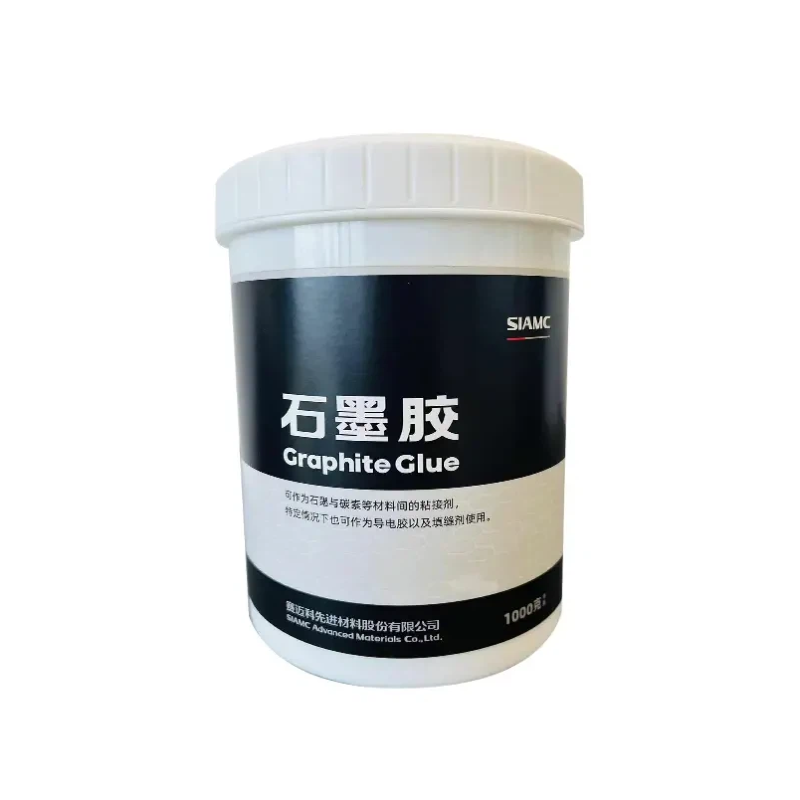
Bonding efficiency reflects how a joint performs after repeated exposure to heat, load, and chemicals. It is not limited to initial strength values. Long-term performance depends on how well the adhesive maintains structure and adhesion through many operational cycles.
Industrial Graphite Glue can maintain structure at very high temperatures in controlled atmospheres. This makes it suitable for furnaces, thermal processing lines, and carbon composite systems. Understanding the difference between air, vacuum, and inert gas limits helps prevent overrating the adhesive.
Strong joints balance load across the bond line. Testing under simulated cycles shows how well an adhesive handles expansion and contraction over time. These tests often reveal performance gaps that do not appear in short-term strength measurements.
Thin formulations flow into fine pores and cracks. Thicker formulations fill uneven joints and support vertical surfaces. Matching viscosity to joint geometry improves contact area and extends service life in both repair and new assembly tasks.
Clean, dry surfaces increase bond energy and reduce the risk of weak spots. Light abrasion raises surface area and improves mechanical interlocking. Consistent preparation practices often lead to more predictable bonding results in heavy-duty systems.
Key Bonding Efficiency Metrics
Metric | Standard Adhesive | Industrial Graphite Glue | Operational Impact |
Max Working Temperature | 100–300°C | Up to 2500°C (to be verified) | Process uptime |
Shear Strength | Medium | High | Structural safety |
Chemical Resistance | Low | High | Component protection |
Thermal Cycle Life | Short | Long | Maintenance cost |
Supplier choice affects quality consistency, technical support, and long-term system performance. Many B2B buyers now treat adhesives as part of their full material ecosystem rather than a standalone consumable. This means procurement teams often work closely with engineers to align adhesive specifications with substrate design, operating temperature, and maintenance strategy.
Review curing curves, purity data, and temperature ratings in detail. These documents reveal how the adhesive behaves during heating, cooling, and long-term exposure. Certifications can indicate alignment with industry safety, environmental, and quality standards, which helps reduce compliance risks in regulated sectors.
Stable suppliers maintain uniform batch quality over time. This consistency reduces variation in bond strength across production lines and simplifies process control. It also helps engineering teams avoid requalification when switching lots or expanding production.
Traceability supports audits and internal quality programs. High-purity grades lower contamination risks in clean processes, especially in vacuum and inert gas systems. Clear batch records also help identify root causes if a joint fails in the field.
Lower-cost products may appear attractive at purchase. However, they can increase downtime, rework, and labor hours over the equipment lifecycle. Reliable grades often reduce replacement frequency and stabilize maintenance planning, which improves total cost of ownership.
Note: In semiconductor and photovoltaic industries, batch traceability is often a formal requirement during procurement audits.
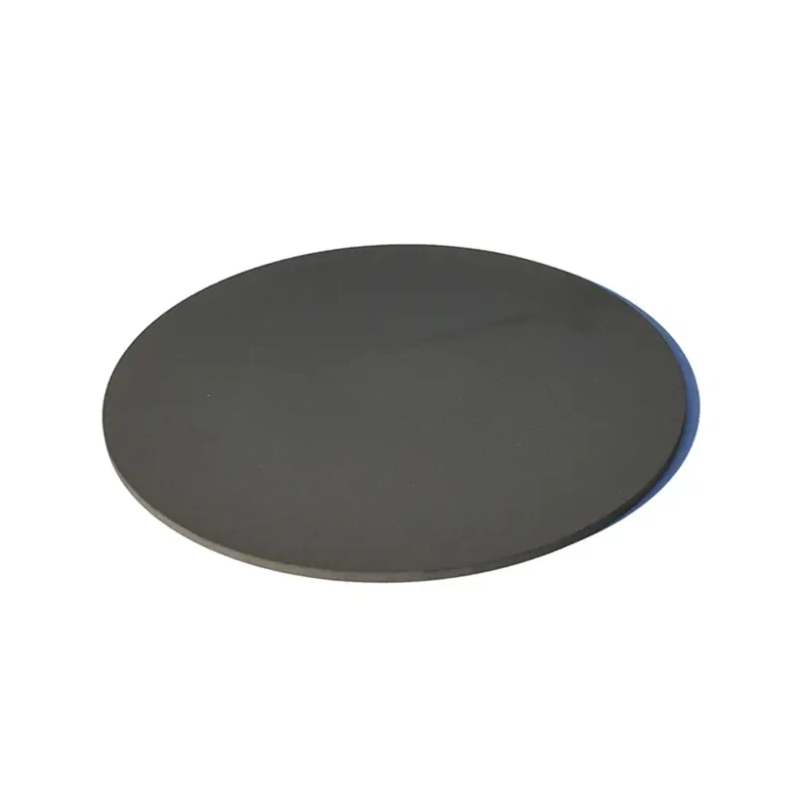
Graphite Glue is used across several high-value industries where heat, load, and chemical exposure challenge traditional adhesives. Each sector places unique demands on joint performance, from structural stability to electrical and thermal continuity.
Furnaces rely on stable joints to limit heat loss and maintain uniform temperature zones. Carbon-based adhesives secure graphite bricks and insulation panels, helping extend service life and reduce unplanned shutdowns.
Casting molds and crucibles face thermal shock and heavy mechanical loads. Strong bonds help maintain alignment and surface precision, which directly affects part quality and yield.
Graphite heat sinks and carbon housings require conductive joints for efficient heat transfer. Graphite Glue supports both thermal flow and electrical continuity in compact, high-density assemblies.
Chemical systems often use graphite components in corrosive zones. Stable adhesives protect joints from acids, solvents, and reactive gases, helping preserve equipment integrity and improve operational safety.
Typical Industry Requirements for Graphite Glue
Industry | Key Focus | Temperature Range | Bond Function |
Semiconductor | Low contamination | 200–1200°C | Thermal field joints |
Photovoltaic | High purity | 300–1500°C | Structural bonding |
Metallurgy | Thermal shock | 1000–2500°C | Mold and crucible repair |
Chemical | Chemical stability | 200–800°C | Sealing and lining |
Correct preparation and curing often matter more than product selection alone. Even high-grade Graphite Glue can underperform if it is mixed, applied, or cured in uncontrolled conditions. Clear procedures help teams achieve repeatable results across maintenance and production tasks.
Most systems require precise ratios to reach the right working consistency. Consistent mixing ensures stable viscosity and predictable curing behavior. Using calibrated tools and clean containers reduces variation between batches and improves joint reliability.
Syringes, brushes, and spatulas help control thickness and placement. Even layers reduce stress points across the joint and improve contact between bonded surfaces. This approach also limits trapped air, which can weaken the bond under heat.
Some products cure best in inert gas, while others benefit from staged heating. Following manufacturer guidelines improves final bond strength and limits surface defects. Careful control of temperature ramps can also reduce internal stress.
Field repairs favor fast setup and simple tools for rapid recovery. Factory bonding allows strict control of temperature and humidity, which supports higher consistency for critical components.
Tip: Running a small sample test before critical repairs helps verify curing time and flow behavior under real conditions.
Quality systems protect operations from unexpected failures and support compliance efforts. A structured approach helps teams detect issues early and maintain consistent performance across production lines.
Testing under real operating conditions confirms supplier claims and reduces technical risk. This step builds confidence before full-scale use in high-value equipment.
Regular inspections check for discoloration, surface changes, or cracking. These signs often signal early joint degradation and allow timely maintenance.
Dry storage prevents moisture absorption and preserves powder consistency. Clear handling rules reduce contamination during preparation and application.
Clear records support audits, customer requirements, and internal traceability. They also help track performance trends over time.
Adhesive selection affects more than material cost. It influences labor hours, downtime, and overall component lifespan in demanding systems.
Lower-priced grades may fail sooner, increasing repair and shutdown expenses. Higher-quality options often reduce long-term maintenance needs.
Stable joints reduce unplanned stops and protect production schedules. This improves output consistency in high-throughput environments.
Long service life lowers spare part inventory and simplifies maintenance planning. This also helps control operational budgets.
Some global carbon material manufacturers, such as SIAMC, align adhesive development with their graphite and carbon composite systems. This approach improves compatibility across furnaces, semiconductor tools, and photovoltaic equipment without changing core process designs.
Sourcing industrial Graphite Glue needs technical insight and planning.Material compatibility protects joints under heat, load, and chemicals.High-purity formulas reduce contamination in sensitive systems.Reliable supply improves quality and traceability.SIAMC products deliver strong bonding efficiency and long-term value.
A: Graphite Glue bonds carbon materials in furnaces and electronics, supporting high temperature graphite glue applications with stable, contamination-resistant joints.
A: Graphite Glue sourcing guide suggests matching adhesive purity, viscosity, and substrate type to ensure reliable graphite adhesive 2500°C performance.
A: Graphite Glue maintains strength under heat and chemicals, improving industrial Graphite Glue compatibility and long-term bonding efficiency.
A: Graphite Glue price depends on purity, supplier reliability, and reduced downtime, making high temperature graphite glue sourcing a long-term value choice.


