
- Home
- Products
- Solutions
- About
- Service
- Sustainability
- News
- Contact Us

Views: 0 Author: Site Editor Publish Time: 2026-01-30 Origin: Site


How much are unplanned shutdowns really costing your plant? Professional Graphite Glue cost savings turn routine repairs into long-term value. In this article, we explore maintenance reduction for graphite heat exchangers using SIAMC products. You will see how better bonding cuts risk and spend; learn more about our products.
Maintenance expenses often come from hidden sources that grow over time. While material costs are easy to track, indirect factors like lost production, safety procedures, and repeated inspections often create a larger financial impact. Over months and years, these small costs add up and shape the true economic burden of operating graphite heat exchangers in demanding environments.
Tubes, block joints, and sealing faces experience constant thermal movement during heating and cooling cycles. Micro-cracks often appear at these points as materials expand and contract at different rates. Chemical exposure can also weaken bonding surfaces, especially in acidic or reactive process streams. If these early signs go unnoticed, small defects can grow into leaks that require full shutdowns and extensive repairs.
Labor costs rise when repairs require skilled welding, heavy lifting, or complex disassembly. Downtime often creates the largest loss, particularly in continuous process plants where every hour offline means lost output. Replacement parts add another layer of expense, including transport, storage, and installation time. Together, these factors can quickly exceed the price of the original repair materials.
Acids and reactive fluids slowly erode graphite surfaces and joint areas. At the same time, repeated thermal cycling places stress on rigid connections. This combination shortens service intervals and increases the frequency of inspections and maintenance tasks. Over the full lifecycle of the equipment, these effects drive up both operating and capital costs.
Metal fasteners and rigid seals cannot absorb movement caused by temperature changes. Over time, they tend to crack or loosen under thermal stress. Each failure leads to another repair cycle, more downtime, and higher labor needs. This pattern often raises total ownership cost and makes long-term budgeting less predictable.
Key Cost Drivers in Heat Exchanger Maintenance
Cost Driver | Short-Term Impact | Long-Term Impact | Economic Effect |
Labor Hours | Medium | High | Rising payroll |
Downtime | High | Very High | Lost output |
Replacement Parts | Medium | High | Capital expense |
Energy Loss | Low | Medium | Higher bills |
Professional Graphite Glue supports both performance goals and budget planning by turning routine maintenance into a long-term cost control strategy. Instead of reacting to failures after they disrupt production, teams can use adhesive-based repairs to stabilize weak points before they grow into major problems. This approach helps balance technical performance with financial planning, especially in continuous process environments where even short shutdowns can carry high economic impact.
Carbon-based adhesives form joints that expand like graphite. This reduces stress and helps parts last longer. By matching the thermal behavior of the base material, the bond line remains stable during repeated heating and cooling. Over time, this stability lowers the risk of crack formation and surface erosion, which can extend service intervals and delay the need for expensive part replacements.
Fast on-site sealing allows teams to fix leaks within hours. Production can restart sooner. Instead of waiting for spare parts or outside service crews, maintenance staff can address minor failures as soon as they appear. This short response time helps protect production schedules and reduces the pressure caused by sudden, unplanned downtime.
Tight joints prevent fluid loss and heat escape. This improves system efficiency. When seals remain intact, heat exchangers operate closer to their design performance. Over long periods, better thermal efficiency can lower energy use and reduce operating costs, adding another layer of economic value beyond direct repair savings.
Adhesive repairs reduce the need for flames and heavy tools. This lowers safety risk. Fewer hot work procedures mean less paperwork, fewer permits, and reduced exposure to workplace hazards. These changes can simplify compliance efforts and lower the indirect costs tied to safety management.
Tip: Keep a simple log of repair time and downtime hours. This helps show cost savings after switching to professional Graphite Glue.
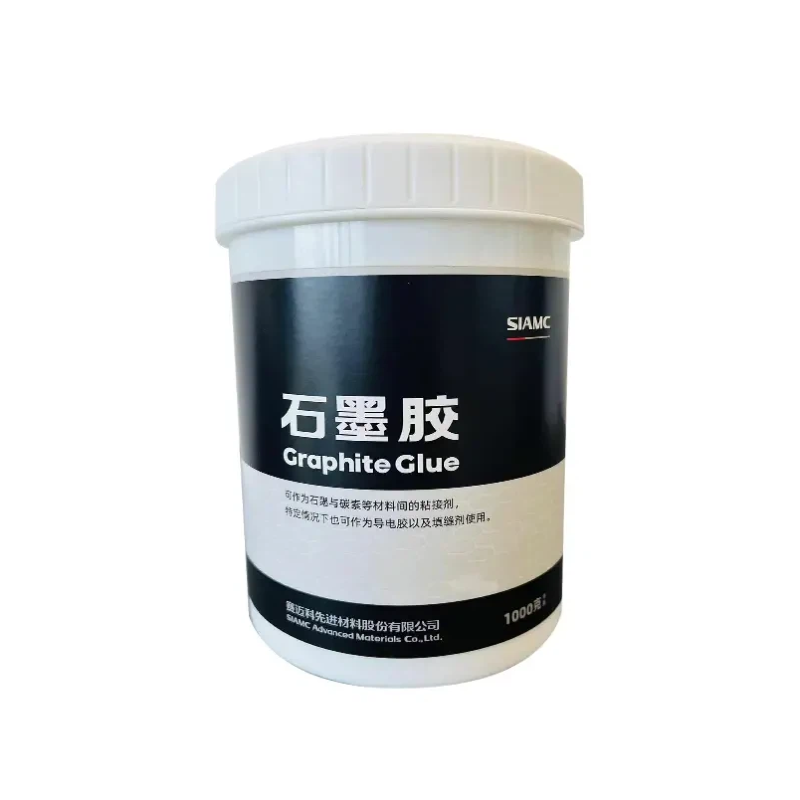
Graphite Glue fits both emergency and planned repair programs. Its flexible use allows teams to respond quickly to sudden failures while also supporting long-term maintenance planning. This dual role makes it easier to integrate adhesive solutions into existing service routines without changing overall workflow.
Thin layers flow into fine cracks and cure into dense seals. This slows further damage. By filling small gaps early, the adhesive prevents corrosive fluids or hot gases from reaching deeper layers of the material. This protective effect helps preserve the structural core of tubes and blocks.
Reinforcing weak joints can delay full bundle replacement. This saves capital cost. Instead of investing in new components, plants can extend the life of existing assets. This approach frees budget resources for other upgrades or process improvements.
Small scheduled repairs reduce the risk of major failures. This keeps output stable. Regular inspections combined with targeted adhesive use help identify and fix early signs of wear. Over time, this practice builds a more predictable maintenance cycle.
Portable tools and simple mixing methods support field repairs in tight spaces. This flexibility allows maintenance teams to work directly at the installation point. It also reduces the need to remove large components for off-site service.
Different methods carry different cost and risk profiles. Understanding these differences helps teams choose solutions that align with both technical needs and financial goals.
Welding needs skilled labor and safety zones. Graphite Glue uses simple tools and bonds non-metal parts. This difference makes adhesive repairs easier to schedule and less disruptive to surrounding operations, especially in busy plant areas.
Standard epoxies degrade under heat. Ceramic cements crack under shock. Graphite Glue stays stable. Its ability to maintain performance in extreme conditions reduces the frequency of repeat repairs and improves long-term reliability.
Adhesive repairs often finish in hours. Welding or replacement can take days. Shorter repair windows protect production flow and reduce the need for overtime or external contractors.
Flexible carbon joints absorb stress better than rigid metal seals. This flexibility lowers the chance of sudden joint failure, helping plants move from reactive maintenance toward a more controlled and predictable repair strategy.
Repair Method Comparison
Method | Repair Time | Skill Level | Heat Resistance | Cost Efficiency |
Graphite Glue | Short | Medium | Very High | High |
Welding | Long | High | High | Medium |
Epoxy Cement | Medium | Low | Low | Low |
Ceramic Paste | Medium | Medium | Medium | Medium |
Return on investment grows as repair cycles become shorter and more predictable. When plants shift from reactive fixes to planned adhesive repairs, costs move from sudden spikes to manageable, budgeted items. Industrial teams can then link performance metrics to real financial outcomes over the full asset life.
Professional grades may cost more at purchase, especially high-purity graphite systems. However, fewer failures lower total spend over time and reduce the need for full bundle replacement. When energy savings and lower scrap rates are included, the total cost of ownership often compares favorably to cheaper, short-lived products.
Many plants recover adhesive cost after one avoided shutdown, particularly in continuous chemical or power processes. Each additional incident prevented shortens the payback period further. Over several years, savings from fewer emergency interventions can exceed the original material investment many times.
Internal teams handle more repairs when tools and procedures are simple. This reduces dependence on external contractors and emergency callouts. Standardized use of industrial Graphite Glue also speeds up each intervention, allowing maintenance staff to focus on higher-value tasks such as inspections and preventive planning.
Stable repair costs support better financial planning and smoother annual budgets. When the behavior of the adhesive is predictable, planners can estimate refurbishment intervals more accurately. This clarity helps justify future upgrades and supports long-term protection of critical graphite heat exchangers.
Sample Lifecycle Cost Comparison
Cost Category | Traditional Repair | Graphite Glue Strategy | Long-Term Outcome |
Annual Downtime | High | Low | Higher output |
Replacement Parts | High | Medium | Lower capital spend |
Labor Expense | High | Medium | Stable staffing |
Energy Loss | Medium | Low | Better efficiency |
Technical performance links directly to cost control. When an adhesive system performs well under real operating conditions, it reduces the frequency of repairs and extends the service life of graphite heat exchangers. Over time, this stability lowers labor demands, limits production losses, and supports more predictable maintenance planning.
High heat tolerance limits joint failure during rapid heating and cooling cycles. This reduces repeat repairs and protects sealing surfaces from cracking. Stable performance under extreme temperature swings also helps maintain consistent heat transfer efficiency across the exchanger.
Resistance to acids, alkalis, and aggressive gases protects bonding surfaces from gradual erosion. This feature is especially important in chemical processing systems where fluid exposure can weaken traditional repair materials. Long-term chemical stability lowers the risk of early bond degradation.
Even stress distribution reduces crack formation at joint edges. Strong, flexible bonds absorb mechanical movement and vibration. This helps maintain structural integrity across tubes, blocks, and sealing faces during continuous operation.
Multi-material bonding simplifies system design and repair. Adhesives that match the thermal behavior of graphite reduce stress at interfaces with metals or ceramics. This compatibility supports consistent performance in mixed-material assemblies.
Note: Field testing under real process conditions gives more accurate savings estimates than lab data alone.
Supplier quality shapes repair success and long-term cost outcomes. Reliable partners help ensure that each batch of adhesive performs the same way in daily use.
Clear data helps teams choose the right grade for their temperature range and chemical environment. Certifications support compliance and simplify internal approval processes.
Consistent quality reduces application errors and unexpected performance changes. High-purity formulations also lower the risk of contamination in sensitive heat exchanger systems.
Records support compliance checks and internal reviews. They also help track long-term performance trends across maintenance cycles.
Guidance improves repair success rates. Training and troubleshooting support help maintenance teams apply adhesives correctly the first time.
Long-term planning turns repairs into savings. When adhesive use is built into maintenance strategy, it supports both reliability and budget control.
Scheduled checks reduce major breakdowns. Small, planned fixes help avoid sudden failures that lead to costly shutdowns.
Standard steps improve joint quality and repeatability. Clear procedures reduce variation between shifts and sites.
Fewer replacements lower storage needs and reduce tied-up capital. Adhesive stock is often easier to manage than large graphite components.
Cross-team planning improves material choice and supplier selection. This alignment supports lifecycle cost control and stable system performance.
Some industrial users favor graphite adhesives that share material behavior with their core components. SIAMC’s high-temperature graphite glue is often selected in such cases because its thermal and conductive properties closely match graphite heat exchanger parts, helping maintain stable performance while simplifying maintenance strategies.
Professional Graphite Glue lowers maintenance costs and protects graphite heat exchangers in harsh, high temperature environments.It reduces downtime by sealing leaks and strengthening joints before failures grow.Preventive planning becomes easier when reliable bonding supports long term performance and safety.With SIAMC products, teams gain higher uptime and stronger return on investment.
A: Professional Graphite Glue supports heat exchanger repair by sealing cracks and improving high temperature graphite adhesive performance.
A: Professional Graphite Glue cuts downtime and boosts industrial Graphite Glue ROI through better sealing and maintenance cost reduction.
A: Purity, batch quality, and supplier support influence heat exchanger repair value and total ownership cost.
A: Check surface cleaning, curing temperature, and storage to restore sealing strength during operations.


