
- Home
- Products
- Solutions
- About
- Service
- Sustainability
- News
- Contact Us

Views: 0 Author: Site Editor Publish Time: 2026-07-10 Origin: Site


The quality of your primary carbon source directly dictates the commercial viability of synthetic diamond production. Producing gem-quality stones requires exact precision at the atomic level to ensure stable conversion. You cannot afford to compromise on raw material integrity when operating under extreme parameters. Microscopic impurities or structural inconsistencies inside the carbon precursor routinely trigger fatal inclusions. Poor color grading, unwanted crystal defects, or catastrophic failure in the synthesis press can ruin entire production batches. These failures disrupt supply chains and inflate manufacturing costs. This technical guide provides an evaluation framework specifically designed for modern procurement and engineering teams. You will discover actionable strategies to select a reliable supplier for large-scale synthetic diamond manufacturing. We explore crucial evaluation metrics, outline rigorous testing protocols, and help you optimize your materials for maximum yield.
Purity drives clarity: Achieving gem-quality or high-grade industrial synthetic diamonds requires High Purity Graphite Powder with trace elements consistently below stringent thresholds (often >99.99% purity).
Structure dictates conversion: Graphitization degree and particle size distribution directly impact the dissolution rate in catalyst-solvent systems during High Pressure High Temperature (HPHT) synthesis.
Consistency is the scalability bottleneck: Evaluating a supplier requires looking beyond a single high-quality sample to mandatory, rigorous Graphite Material Testing for batch-to-batch reliability.
Context matters: Specifications must align with the specific press type, synthesis parameters, and targeted diamond output, often requiring a Custom Graphite Material approach.
Low-quality carbon sources severely disrupt your production economics. Inferior graphite introduces trace impurities into the High Pressure High Temperature (HPHT) environment. These foreign elements cause catalyst-solvent poisoning. When the catalyst alloy degrades, it stops dissolving carbon efficiently. You experience lower diamond conversion rates across the production run. Consequently, operational costs per carat rise sharply. Energy consumption remains high while your usable yield drops. Securing a premium carbon precursor eliminates these variables. You must integrate High Purity Graphite Powder to stabilize production costs and guarantee predictable output.
The HPHT process mimics the natural thermodynamic conditions of diamond formation underground. Inside the press chamber, temperatures exceed 1400°C while pressures surpass 5 GPa. Under these extreme conditions, graphite enters the thermodynamic stability zone of diamond. The catalyst-solvent alloy melts and begins dissolving the graphite matrix. Carbon atoms break their hexagonal bonds and saturate the molten metal. They transport across the temperature gradient toward the cooler diamond seed. Finally, the carbon precipitates out of the solvent and crystallizes as diamond. This delicate dissolution and precipitation cycle requires highly uniform graphite. Any structural irregularity disrupts the steady flow of carbon atoms to the growing crystal lattice.
Manufacturers generally choose between natural flake graphite and synthetic graphite precursors. Natural flake graphite offers excellent inherent crystallinity. It is highly cost-effective in its raw form. However, it contains substantial mineral impurities from the earth. Upgrading natural flake requires extensive, aggressive chemical purification. Synthetic graphite originates from petroleum coke or pitch. It undergoes high-temperature graphitization. The synthetic route yields structurally distinct particles. It provides exceptional baseline purity. Ultra-purified synthetic powder now serves as the industry standard for advanced HPHT processing. It delivers the precise consistency required for high-yield diamond manufacturing.
Trace impurities act as fatal flaws during diamond synthesis. Transition metals pose the highest risk. Elements like iron (Fe), nickel (Ni), and cobalt (Co) interfere with your carefully calibrated catalyst alloy. They alter the melting point and shift the carbon solubility curve. Non-metals introduce separate challenges. Trace boron (B) turns synthetic diamonds blue. Nitrogen (N) impurities impart a yellow hue. Both elements aggressively alter the electrical and optical properties of the final stone. You must set strict baseline expectations for your raw materials. Ash content must remain virtually undetectable. Achieving this purity requires advanced high-temperature halogen purification processes. These specialized techniques volatilize metal impurities at temperatures exceeding 2500°C.
Impurity Element | Primary Impact on Synthesis | Recommended Upper Limit |
|---|---|---|
Boron (B) | Unwanted blue coloration, electrical changes | < 1 ppm |
Nitrogen (N) | Unwanted yellow hue, crystal distortion | < 5 ppm |
Iron (Fe) | Catalyst poisoning, dark inclusions | < 10 ppm |
Silicon (Si) | Carbide formation, brittle stones | < 15 ppm |
Particle Size Distribution (PSD) dictates how the powder behaves inside the synthesis capsule. Proper particle sizing controls the packing density. You need a specific blend of fine and coarse particles to maximize tap density. High tap density minimizes void spaces within the carbon source. Void spaces trap reactive gases and cause severe pressure drops. We frequently see uneven temperature gradients when particle sizing remains irregular. Pressure drops lead to localized cold spots. These unstable zones cause rapid, uncontrolled graphite dissolution. The resulting synthetic diamond often exhibits deep cracks or catastrophic inclusion clusters. A tightly controlled PSD ensures smooth, predictable energy transfer.
The internal crystal lattice integrity of your carbon source matters deeply. Degree of graphitization measures how closely the powder resembles perfect theoretical graphite. High graphitization indicates a highly ordered crystal structure. This structural integrity correlates directly to its reactivity during the phase transition. Highly ordered graphite dissolves steadily into the molten catalyst. Amorphous or poorly structured carbon reacts violently and unpredictably. We observe that higher graphitization typically yields fewer crystal defects in the synthesized diamond. You secure better clarity grades and stronger industrial abrasives when utilizing highly crystalline Diamond Synthesis Graphite.
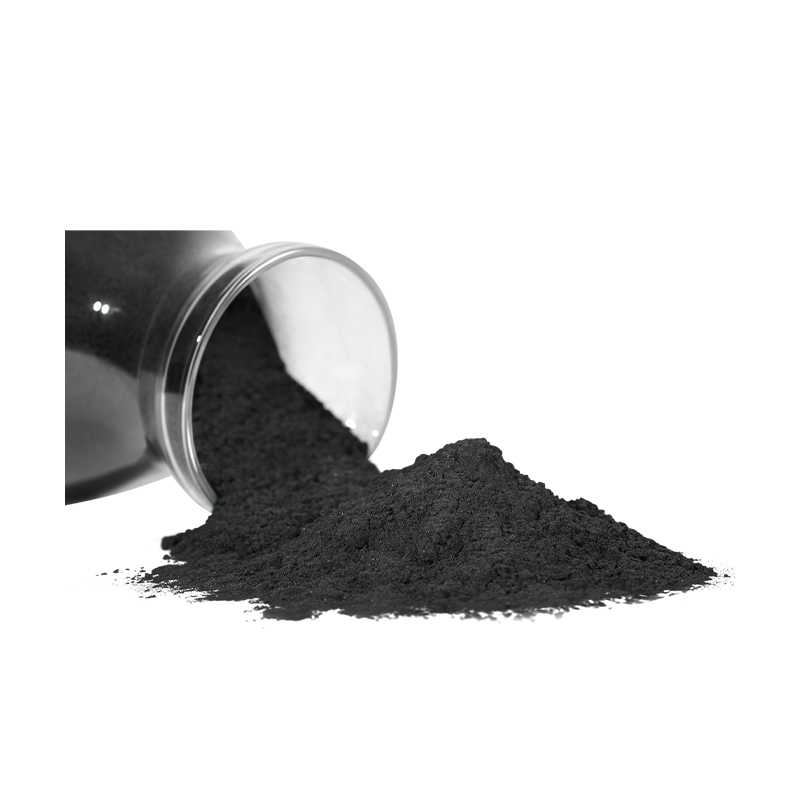
You must employ advanced analytical instrumentation to verify carbon precursor quality. We recommend integrating three core methodologies into your standard evaluation process. Inductively Coupled Plasma (ICP-OES or ICP-MS) remains mandatory. This equipment quantifies trace metallic impurities down to the parts-per-million (ppm) or parts-per-billion (ppb) level. Laser Diffraction testing is equally critical. It verifies exact particle size distribution metrics, specifically tracking the D10, D50, and D90 parameters. X-Ray Diffraction (XRD) rounds out the essential testing suite. You use XRD to assess the degree of graphitization. It measures the interlayer spacing (d002) of the carbon lattice. These three methods provide a complete technical profile of the raw material.
Many suppliers can produce one perfect sample. Consistency represents the true scalability bottleneck in diamond production. Variance between pilot-scale samples and full-container commercial deliveries ruins profitability. You must address this primary scalability risk aggressively. We recommend establishing a strict statistical process control (SPC) baseline. Monitor the critical parameters across multiple small deliveries before scaling up. Demand comprehensive Certificates of Analysis (COA) for every shipment. The COA must match specific lot numbers printed on the packaging. Implementing rigorous Graphite Material Testing for incoming inventory prevents contaminated batches from ever entering your presses.
Your hardware dictates your material requirements. You cannot treat graphite as a universally interchangeable commodity. Cubic presses utilize six anvils to apply pressure. Cylinder or B-BAR presses use a split-sphere approach. These different systems employ unique pressure transmission media. Pyrophyllite gaskets behave differently depending on the press architecture. Heating assembly designs also vary significantly. Some setups pass electrical current directly through a graphite heater tube. Others pass current through the graphite powder itself. These variations influence the required electrical resistivity of the powder. Thermal conductivity needs also shift based on capsule design. You must align your material specifications directly with your exact hardware configuration.
Material costs must align with your final application. Abrasives and saw grits target entirely different profit margins than gem-quality synthetics or advanced heat sinks. You must map the relationship between raw material expense and final product value. Pushing for extreme purity levels drastically increases your raw material expenses. This approach makes sense for colorless jewelry diamonds. However, we caution against over-specifying purity for low-end abrasive applications. Standardized industrial grades often perform perfectly well for basic cutting tools. Selecting a pragmatic, Custom Graphite Material prevents you from overpaying for unnecessary refinement steps. You balance cost against operational requirements to maximize overall financial returns.
Unstable supply chains threaten continuous manufacturing operations. You must evaluate the origin of the raw material meticulously. Ask suppliers to identify specific mining regions if they use natural flake graphite. Geopolitical shifts or environmental regulations frequently disrupt localized mining output. Synthetic graphite requires stable access to high-quality petroleum needle coke. Evaluate their upstream partnerships. Understanding where the carbon originates helps you gauge long-term supply stability. Transparent suppliers gladly share this origin data. Opaque supply chains usually indicate inconsistent blending practices.
Many companies market themselves as graphite manufacturers while functioning merely as trading houses. You must verify actual production capabilities. Confirm that the supplier possesses in-house high-temperature or chemical purification infrastructure. True manufacturers control the thermal processing parameters directly. They operate specialized halogenation furnaces capable of reaching extreme temperatures. Pure distributors rely on third-party toll processors. This fragmentation creates quality control blind spots. Partnering directly with integrated purification facilities ensures faster technical support and superior batch consistency.
Never transition a new graphite source directly into mass production. Implement a controlled, three-phase evaluation strategy to mitigate catastrophic yield loss.
Desktop audit of historical testing data: Review historical COAs, SPC charts, and third-party laboratory results before requesting physical material.
Small-scale trial in R&D presses: Process a limited sample in isolated testing equipment. Monitor phase transition stability and catalyst interaction carefully.
Controlled commercial production run: Dedicate one or two commercial presses to evaluate specific carat yield and inclusion rates over a sustained timeframe.
Following this phased approach protects your primary revenue streams from untested material variations.
Sourcing graphite powder for diamond synthesis extends far beyond a standard commodity purchase. It represents a highly technical integration into a complex thermodynamic system. The purity, structure, and consistency of your carbon precursor dictate your final production economics. Evaluating technical data sheets meticulously protects your yield. Demanding rigorous material testing prevents costly press failures. Managing upstream supply chain risks ensures continuous operation. These practices form the fundamental pillars of profitable diamond synthesis. We encourage technical buyers to take immediate action. Initiate an engineering consultation with qualified suppliers today. Request batch-specific COAs to verify their claims. Order standardized trial samples customized for your specific press setup and start optimizing your synthesis process.
A: Gem-quality synthetic diamonds typically require graphite powder with a minimum purity of 99.99%. Trace metals must remain below 10 ppm, while non-metals like boron and nitrogen should sit below 1 ppm and 5 ppm, respectively, to prevent unwanted coloration and structural defects.
A: Particle size distribution dictates the packing density inside the synthesis capsule. Irregular sizing creates void spaces, leading to localized pressure drops and uneven temperature gradients. A tightly controlled distribution ensures stable energy transfer and consistent graphite dissolution.
A: Graphite processing is susceptible to environmental and raw material variations. Testing every batch prevents contaminated or structurally inconsistent material from entering the press. This rigorous verification eliminates catastrophic failures and maintains predictable operational costs per carat.
A: No. Standard industrial graphite contains high levels of ash, sulfur, and transition metals. These impurities poison the catalyst-solvent alloy and severely disrupt the carbon dissolution process, leading to flawed crystals or complete synthesis failure.
A: Trace nitrogen substitutes for carbon atoms in the crystal lattice, imparting a distinct yellow hue to the diamond. Trace boron alters the electrical properties and turns the stone blue. Both elements compromise the optical clarity required for high-value gems.


