
- Home
- Products
- Solutions
- About
- Service
- Sustainability
- News
- Contact Us

Views: 0 Author: Site Editor Publish Time: 2026-10-12 Origin: Site


High purity graphite represents a significant material investment for advanced engineering sectors. Its inherent properties include superior thermal conductivity and precise density. These traits are easily compromised before the machining process even begins. You invest heavily in this raw material. Protecting it during the holding phase is strictly paramount.
Graphite is a naturally porous material. Improper pre-machining storage exposes it to rapid moisture absorption. Airborne particulates and volatile chemicals also threaten its baseline purity. Physical micro-fractures can silently ruin raw blanks during this vulnerable stage. If compromised, the material will fail during production.
We will establish a stringent, evidence-based baseline for storage protocols. Following these guidelines ensures your raw stock yields flawless, specification-compliant components. You will learn exactly how to control environmental variables. Implementing these steps prevents unexpected scrap rates. It also eliminates catastrophic performance failures downstream.
Treating raw graphite like standard industrial metals introduces massive financial risks. Steel and aluminum tolerate basic warehouse conditions. Graphite does not. Ignoring its unique environmental requirements destroys yield rates. You will waste valuable machining hours on ruined stock. Operational delays quickly compound when failed parts require immediate remanufacturing.
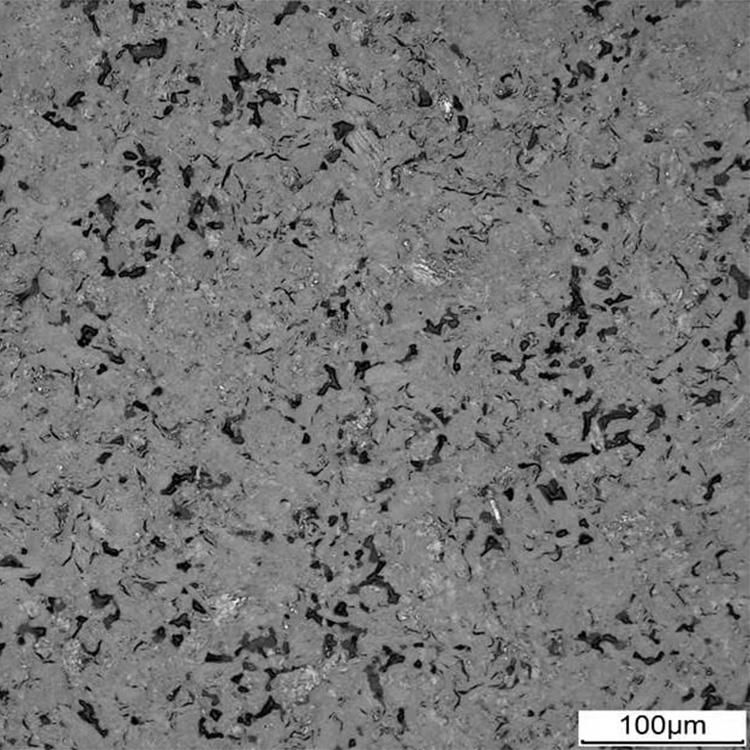
Understanding the failure mechanics requires examining the material structure. High purity graphite acts exactly like a rigid sponge. The open pore network easily pulls ambient moisture inside. Chemical ingress alters electrical resistivity across the block. Thermal expansion characteristics become highly unpredictable. Once moisture enters the deep pores, simple surface drying cannot remove it.
Machining compromised material guarantees downstream failures. When you produce high purity graphite components from damp stock, Quality Assurance (QA) rejection rates spike. Trapped water vapor violently expands during high-temperature applications. Vacuum environments induce severe outgassing from tainted parts. Semiconductor applications often suffer rapid plasma erosion. Premature oxidation destroys the component lifecycle entirely. You must stop these failures at the storage level.
Climate control is the foundation of material preservation. You cannot store raw graphite blocks in fluctuating environments. Establishing strict atmospheric limits protects the internal pore structure. We recommend continuously monitoring your storage facility.
Maintain consistent ambient temperatures year-round. The ideal range sits between 65°F and 75°F (18°C–24°C). Temperature fluctuations create dangerous dew points. When the room cools rapidly, moisture condenses directly inside the material's pores. You cannot see this internal condensation. It remains hidden until the CNC tooling heats the block. Keep thermostats locked to prevent thermal cycling.
Humidity management represents the most critical storage threshold. Relative Humidity (RH) must remain strictly controlled. Target an environment below 40% to 50% RH. Ambient moisture easily permeates standard packaging over time. Ultra-sensitive applications demand even tighter restrictions. Storing premium blocks in desiccated environments is the modern industry standard. Dry-nitrogen purged cabinets offer the ultimate protection against moisture creep. They actively displace humid air surrounding the material.
Air quality controls prevent catastrophic cross-contamination. You must separate graphite from standard fabrication zones. Storing it near metal grinding stations introduces airborne metallic dust. Welding bays emit heavy particulate matter. CNC areas utilizing aerosolized coolants create hazardous oily mists. These contaminants settle on the porous blocks. They infiltrate the surface layer and ruin the chemical inertness. Always isolate pure stock behind physical cleanroom-style barriers.
Baseline Environmental Storage Metrics
| Environmental Variable | Target Range / Requirement | Primary Risk Factor |
|---|---|---|
| Ambient Temperature | 65°F–75°F (18°C–24°C) | Dew point condensation inside pores |
| Relative Humidity (RH) | Below 40% - 50% | Moisture entrapment and outgassing |
| Airborne Particulates | Isolated / Filtered Air | Metallic dust cross-contamination |
| Atmospheric Gases | Dry-nitrogen purged (Optional) | Long-term chemical degradation |
Physical protection extends beyond preventing obvious drops or impacts. Graphite requires delicate handling protocols. Routine warehouse procedures easily damage the raw blanks. You must train your logistics personnel specifically for this material.
Maintaining original packaging integrity is your first line of defense. Factory packaging includes engineered vapor barriers. Manufacturers insert industrial desiccants to control localized humidity. Impact-absorbing foam protects the fragile edges. Never remove these protective layers during the storage phase. Break the seal only when the material is scheduled for the shop floor.
Mitigating mechanical stress prevents hidden structural failures. Graphite remains highly brittle and notch-sensitive. Localized stress points initiate microscopic cracks. Follow these specific physical handling rules:
Handling equipment standards protect the chemical purity. Bare hands cause immediate chemical contamination. Mandate the use of clean, lint-free gloves for all personnel. Natural skin oils contain sodium, potassium, and trace minerals. These elements transfer instantly upon contact. They compromise the surface purity deeply enough to fail semiconductor QA checks. Forklift tines should feature rubberized guards to prevent chipping during transit.
Standard protocols apply to all pure carbon blocks. However, specialty grades demand hyper-focused storage strategies. You must adapt your facility to accommodate their unique vulnerabilities.
Semiconductor manufacturing heavily relies on low ash graphite. This grade undergoes extreme purification to eliminate trace metals. It requires cleanroom-adjacent storage criteria. Even standard atmospheric dust spikes the ash content. Airborne pollutants settle onto the blanks and penetrate the matrix. This ruins the material's viability for high-temperature purification applications. Keep these specific blocks sealed in secondary vacuum bags. Store them exclusively in positive-pressure environments.
Harsh industrial sectors frequently utilize corrosion resistant fine grain graphite. Its dense, tightly packed structure withstands extreme chemical attacks. Storage protocols must ensure absolutely no pre-exposure to industrial chemical vapors. Keep it far away from electroplating stations. Isolate it from chemical etching bays. Vapors from these processes initiate premature surface degradation. Acidic fumes quietly break down the fine grain boundaries before machining begins. You must quarantine this grade in chemically neutral zones.
Moving material from storage to production is a highly critical event. A climate-controlled storage room differs greatly from an active CNC floor. This transition introduces severe thermal shock risks. Condensation represents the most immediate danger during this physical transfer.
You must implement a strict acclimation protocol. Move the raw blanks to the machining environment 24 to 48 hours prior to tooling. Keep the material completely sealed inside its factory vapor barrier during this wait. Do not expose the bare block to the shop air yet. The internal material temperature must stabilize slowly.
The success criteria for this phase are measurable. The core temperature of the graphite blank must perfectly match the ambient temperature of the machining center. Use non-destructive infrared thermometers to verify the external packaging temperature. Once equilibrium is reached, you may break the vapor seal. This patience prevents flash condensation. It ensures the block remains dimensionally stable when the cutting tools engage.
Many engineering teams outsource their graphite fabrication. Evaluating a third-party machining facility requires strict auditing. Procurement teams must look beyond just machining tolerances. They must investigate how the partner handles the raw stock beforehand.
Treat the initial facility audit as a major qualification step. Use specific shortlisting logic based on environmental controls. Walk their warehouse floor carefully. Look for signs of cross-contamination or poor climate management. Ask the following key audit questions to determine their competence:
A reputable partner will easily demonstrate these capabilities. They will eagerly show you their clean storage zones. If they hesitate, consider moving to another vendor. You cannot afford the downstream risks of poor material handling.
Storing high purity graphite is never a passive activity. It functions as a highly active, critical phase of the manufacturing process. Treating the material correctly preserves its engineered properties and guarantees performance. Ignoring the environment guarantees expensive scrap rates.
Take actionable steps to secure your supply chain immediately.
If your internal facilities cannot guarantee these strict controls, pivot your strategy. Consider partnering with a specialized graphite machining facility. Ensure they possess certified material handling infrastructure. Protecting the raw blank is the only way to guarantee a perfect finished component.
A: No. Tarps trap ambient moisture and completely fail to regulate temperature. This creates a greenhouse effect, leading to heavy internal condensation. The resulting moisture absorption causes rapid, irreversible degradation of the material's purity and structural integrity.
A: If stored in a continuously climate-controlled environment, its shelf life is essentially indefinite. You must keep the intact factory vapor barriers sealed. Environmental exposure is the only limiting factor. Without moisture or chemical ingress, the carbon structure remains perfectly stable.
A: Yes. Trapped moisture expands rapidly when tooling heats the material during dry machining. This internal steam pressure causes micro-spalling or severe chipping along the cut path. It ruins surface finish tolerances and frequently destroys the entire component.
A: It requires controlled, gradual thermal baking inside an industrial vacuum oven. You must slowly elevate the temperature to safely outgas the trapped moisture. Rapid heating causes internal steam pressure that permanently cracks and ruins the material.


