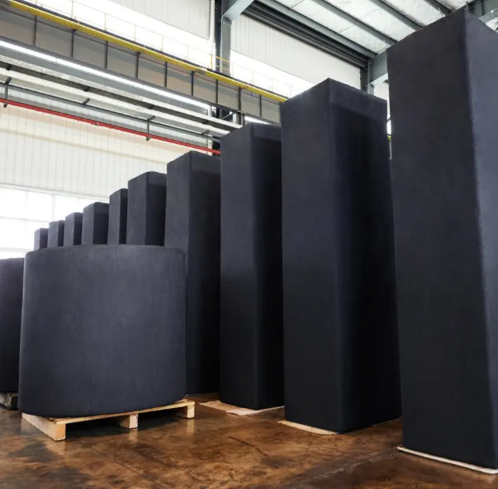
Choosing the wrong graphite grade can cause costly machining problems or premature component failure. Different isostatic graphite grades offer varying density, grain size, strength, purity, and thermal performance. Isostatic pressing creates relatively uniform properties across different directions, but individual grades still perform differently. Selecting materials based only on density, purity, or price can lead to unnecessary costs. The right specifications depend on your component's operating conditions, geometry, and performance requirements. Understanding these differences helps buyers avoid unsuitable materials and make more confident purchasing decisions. This guide explains which specifications deserve attention before requesting quotations or placing an order. You'll learn how to evaluate material properties, machining requirements, and quality documentation for reliable purchasing decisions.
Read More 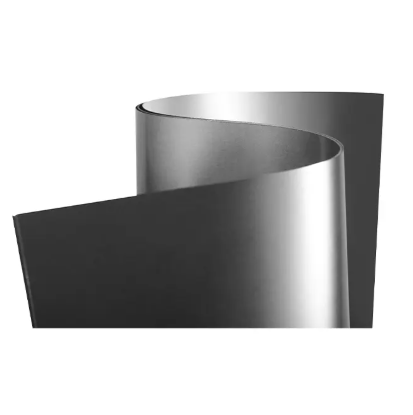
Heat resistance alone cannot guarantee accuracy in precision thermal systems. Temperature differences and material contamination can compromise manufacturing results. Isostatic graphite is a fine-grained carbon material with relatively uniform properties. Its thermal conductivity, dimensional stability, and machinability support demanding high-temperature applications. Engineers use it in semiconductor processing, crystal growth, vacuum furnaces, and photovoltaic manufacturing. It helps maintain controlled heat distribution, precise component positioning, and cleaner processing conditions. But where does it provide the greatest practical value? Explore its key applications, the components that benefit most, and the conditions that justify choosing it over conventional graphite.
Read More 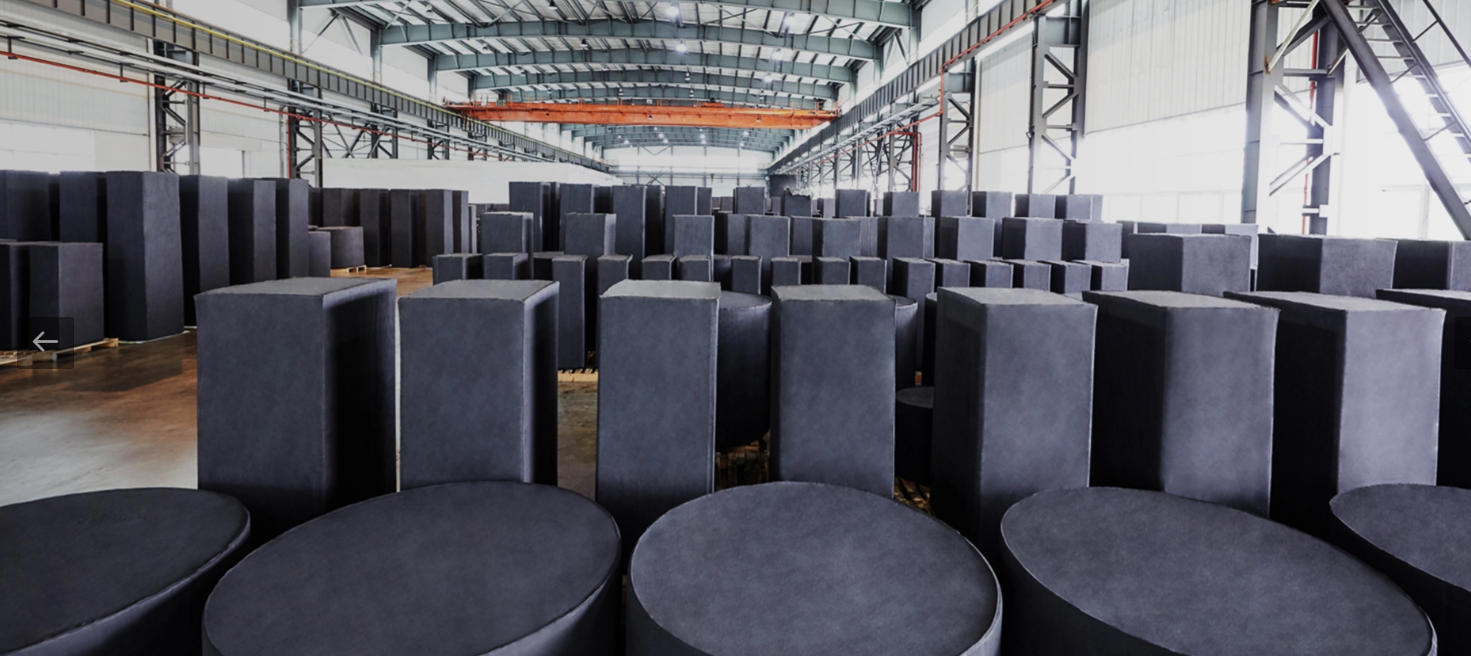
Short answer: the difference begins with how the graphite is formed. Isostatic graphite is compacted by pressure applied from multiple directions, which promotes a fine, relatively uniform structure and more consistent properties in different directions.
Read More 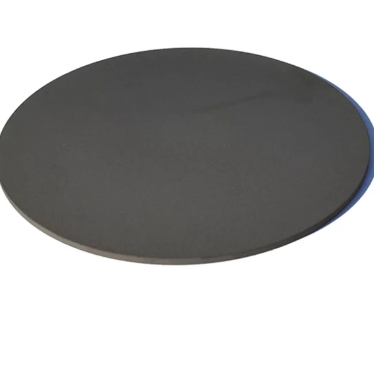
Key TakeawayIsostatic graphite is attractive for high-temperature equipment because its fine, directionally uniform structure can combine useful heat conduction, low expansion, thermal-shock tolerance, machinability, and controllable purity.
Read More 
Isostatic Graphite Standards for SiC Single Crystal Growth: Ensuring Quality and ConsistencyIsostatic graphite is crucial in the world of semiconductor manufacturing. But what exactly makes it so important for SiC single crystal growth?
Read More 
How Isostatic Graphite Enhances Thermal Stability and Mechanical Performance in Advanced MaterialsIs your material strong enough to withstand extreme conditions? Isostatic graphite offers a solution.
Read More 


